Nobody’s 2025 Top 100 Games: 100-91
Nobody’s 2025 Top 100 Games: 90-81
Nobody’s 2025 Top 100 Games: 80-71
Nobody’s 2025 Top 100 Games: 70-61
Nobody’s 2025 Top 100 Games: 60-51
Nobody’s 2025 Top 100 Games: 50-41
Nobody’s 2025 Top 100 Games: 40-31
Nobody’s 2025 Top 100 Games: 30-21
Nobody’s 2025 Top 100 Games: 20-11
Nobody’s 2025 Top 100 Games: 10-1
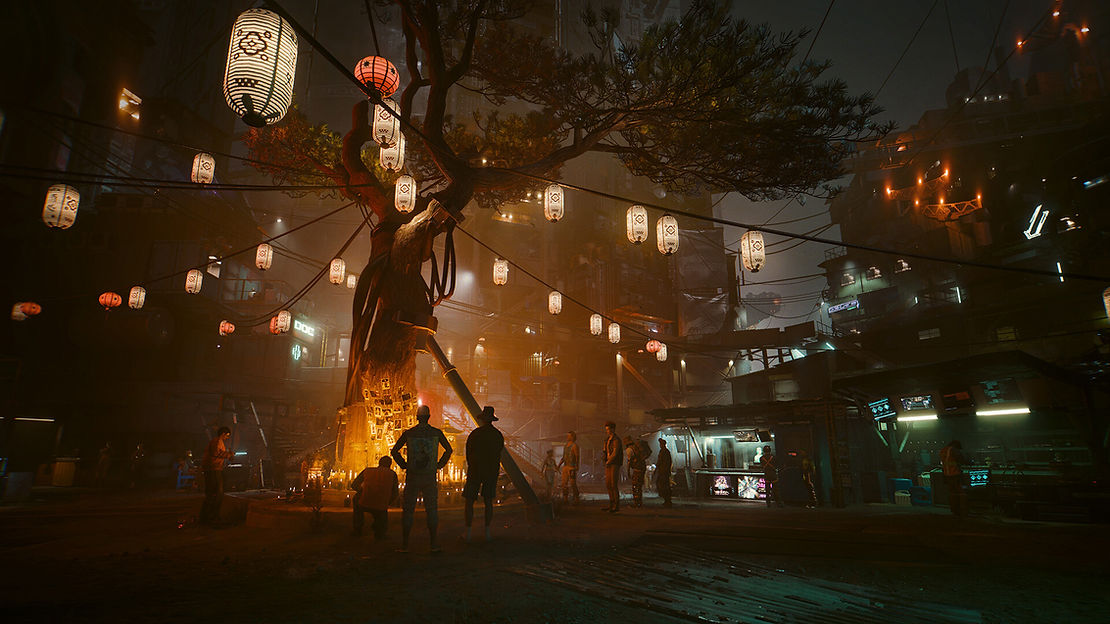
20: Cyberpunk 2077: Phantom Liberty

This isn’t the first time on the list that I’ve specified a DLC to a larger game, but it is the most important one. The base experience of CP2077 is, even after all the patches, fine. It might have made a top 500 list. The Witcher 3 set me up to expect an RPG full of interesting choices and side quests with dramatic twists, but 2077 rarely surprises and the meaningful choices are heavily backloaded into the last chapter. I was ready to write the whole game off as a failed experiment, but then Phantom Liberty came along and delivered exactly what the game should always have been. It never quite reaches the level of TW3, but it gets very close, and it the shorter run time keeps it focused so that it hardly ever feels like there’s any downtime. You’re basically going from one exciting set piece or memorable side quest to another for 20 hours and if you are interrupted, it’s to have an intense emergent fight against one of the DLC’s new factions. It’s the perfect redemption arc for a game that always deserved better.
Previously: Unreleased. If the base game now might have made the top 500, the base game in 2021 would have struggled to make a top 750.
19: NieR: Automata

This the last game that took a decent numeric drop, but unlike in the case of Zero Time Dilemma, the difference between slots at this point in the list is almost meaningless. I realized that I may have overvalued the insane ending sequence a bit and now like 18 games more than Automata instead of only 3, but we’re well into the territory where everything is just degrees of 10/10 experiences. And Automata is certainly an experience. Whether it’s the constant hopping between different genres or the story that never quite does what you expect, it’s a relentlessly distinctive game. I could go on about a million different little things, but I’ll keep its two biggest strengths in the interest of brevity. One, even if I overvalued that ending sequence, it really is exceptional. The way it blends gameplay and story together into a fight that becomes both at once is not something you ever see in this kind of game, and not something you ever see done this well in basically any game. The credits sequence in particular is unforgettable. Second, Keiichi Okabe’s soundtrack may be the single best one in all of gaming. If it’s not this, it’s one on tomorrow’s list, but I tend to give it to Automata. I was lucky enough to be able to see it performed live last year, and I can’t recommend that enough if you get the opportunity. The recorded version of “Song of the Ancients” has absolutely nothing on the same singers doing it in a theater.
Previously: 4. Maybe it’s too low this year, but it’s all the same thing at this point anyway.
18: Astro Bot

A Hat in TIme had a nice long run as my favorite platformer, but its reign has ended. Astro Bot makes my top 20 despite the fact that I’m not a big fan of platformers because it is essentially perfect. There’s not a ton more to say than that. I could talk about how fun it is to collect all the different mascot robots or the cleverness of the way the setpiece levels combine Astro Bot gameplay with that of other Sony flagships, but it’s all just details. The important part is that it genuinely never lets up the quality at any point. Are there better games? Yes. Are there any that capture a more pure sense of joy or fun? Probably not. Hats off to Asobi.
Previously: Unreleased
17: Beat Saber

VR is in a strange place because, broadly speaking, it’s safe to say that it has not reached its potential. And yet, it’s also probably safe to say that its potential is Beat Saber. It’s easy tell from watching a few seconds of gameplay that slashing blocks to the beat of music is fun. Until you’re actually doing it, though, you can’t really tell just how great it is when everything clicks together. The combination of VR, which promises unique immersion in a game, and rhythm, which promises unique immersion in music, creates something that’s almost impossible to put into words. There are frustrations – sometimes the hit detection isn’t quite there and reality can literally smack you in the middle of play – but they’re easily forgotten when you’re finally nailing a difficult song and everything comes together. And there’s mods!
Previously: Hadn’t played it yet
16: What Remains of Edith Finch

I’ll never forget the first time I played Edith Finch. That’s true for many reasons, but chiefly because there was a moment not even 15 minutes into it when I realized it was going to be something special. There was a wild tale of a family cursed to unfortunate deaths to come, a tale that would cross gameplay and story genres at every opportunity, but I didn’t know that yet. I’d just seen the first bits of the wonderfully bizarre house that serves as Edith‘s setting and enough of the writing to tell that its authors are truly talented. I’ve played it a few times now and can safely say that my first impressions were spot on.
Previously: 40. I played it again in the last few years. If a story-drive game is still this good on the third playthrough, it deserves higher than 40.
15: A Space for the Unbound

Speaking of knowing that a special experience is coming, Mojiken gave me that moment with silly little demo games called Banyu Lintar Angin and A Raven Monologue that released the better part of a decade before this. They were just free games with no dialogue, but you could tell from the way the art and story came together that Mojiken was capable of a lot more. And, lo and behold, A Space for the Unbound. It’s a little bit adventure game, a little bit visual novel, very surreal, and even more Indonesian. Luckily, the core themes are universal enough that this is a deeply relatable experience even if, like me, you know very little about Indonesian culture from thirty years ago. I played it twice in the same year and the experience is not diminished at all by knowing what’s coming. I will be eagerly watching what Mojiken does next.
Previously: Unreleased
14: Finding Paradise

I’ll keep this one short because it basically boils down to everything I said about To the Moon, just better. There’s really not much else to say. I just want to call out that “Wish my Life Away”, Laura Shigihara’s follow up credits song, is wonderful
Previously: 19
13: Yakuza: Like a Dragon

Like a Dragon began from what sounded like a terrible idea. What if we took the Yakuza series, known for its over the top ridiculous brawler combat, and made it a turned based JRPG? Why would anyone want that, and how would it even work for a series that has always largely been about one guy?
Turns out that everyone should’ve wanted it and it works very well. The battle system somehow captures the silliness of classic Yakuza combat while still working excellently as a JRPG, and its surprisingly deep job system ensures that you’ll always have opportunities to change classes before you get tired of seeing the same moves. Although stretching the game length to 90 hours could easily have resulted in a lot of tedious filler, a wide variety of well made minigames and optional dungeons make the extra time worth it. And the story is really not like anything JRPGs have done before. Fantasy? Teenagers? Not here. It’s about a bunch of middle aged societal outcasts trying to find a place to call home wherever they can. And it is also a game in which you can defeat crime lords by attacking them with a regular chicken. Yakuza is just like that.
Previously: Unranked because I hadn’t finished it, but it would have been around this spot.
12: 9 Hours, 9 Persons, 9 Doors

999 has technically dropped a bit, but I don’t think there’s much actually going on there. A couple games moved around a little and a couple others are new, but 999 remains 999. You’re still stuck on a boat for nine hours with 8 strangers, one of whom is the mastermind, and you’re only going to get off by solving thematically appropriate puzzle rooms until you reach the 9th door. Deaths and twists abound, but you can figure everything out in advance if you’re paying enough attention. Many imitators have come along since, but the original remains a classic. Respect the funyarinpa.
Previously: 6. If anything explains the drop, it’s that it’s disappointing that the remake made it almost impossible to notice how the original used the DS’s two screens.
11: Persona 3 Portable

Atlus refuses to make a version of Persona 3 that has everything, so we’re stuck with an unfortunate situation where not everyone can agree on what the best version is. Luckily, there is only one correct answer, and it’s the one with Kotone. Every version that isn’t the original is good, but at least for the short while until the mod (https://github.com/MadMax1960/Femc-Reloaded-Project) for Reload is done, Portable is the only one that has her. P3 was the source of everything that made this series famous, and while I ultimately like the other two a little better, it’s really all details at this point. I’ll play P3P basically whenever and enjoy every minute of it.
Previously: 29. This was an absurdly low ranking for a 40-60 hour game that I have happily finished at least six times. Kotone forever.
Nobody’s 2025 Top 100 Games: 100-91
Nobody’s 2025 Top 100 Games: 90-81
Nobody’s 2025 Top 100 Games: 80-71
Nobody’s 2025 Top 100 Games: 70-61
Nobody’s 2025 Top 100 Games: 60-51
Nobody’s 2025 Top 100 Games: 50-41
Nobody’s 2025 Top 100 Games: 40-31
Nobody’s 2025 Top 100 Games: 30-21


