The last 10 days of October included the biggest release of the year, so it’s no surprise that only one other game was brave enough to debut in the same period. There were actually two other games that had their Japanese launch, The Addams Family and Spot: The Video Game, but they were both North American debuts and we’ve already covered them.
The usual reminder: Scores are out of 5 and reflect only how worth playing a game is today. Most games get 1s. Exceptionally bad games get 0s.

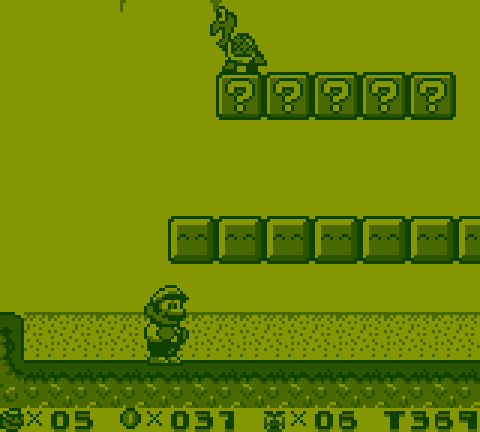
Super Mario Land 2: 6 Golden Coins (Nintendo) (October 21st)
It’s more Mario. This one feels much closer to something like Super Mario World on console than the first SML game. The graphics are quite close, you can move backwards and the screen moves with you, and even the music sounds great for the Game Boy. I personally find this one a little less memorable than the first because it’s so much less distinctive, but there’s no denying that it’s a technical feat and puts contemporary platformers to shame.
Surprisingly, Famitsu only gave it a 25/40, which is basically their “it’s decent” mark for Game Boy titles. Family Computer readers were much bigger fans and gave it a 23.3/30. In the West, it scored well enough to be MobyGames’ third best game on the system. It currently has an 87% average from 38 reviews. Its contemporary score would have been even higher since nearly all of the scores below the average are from reviews after 2010.
Rating: 5

Rampart (Jaleco) (October 30th)
A port of the classic arcade game that gets ported to everything. As always, you alternate between phases of firing your cannons at the enemy and of using tetris pieces to surround castles and give yourself space for more cannons. Unlike other games, you don’t have much space to work with on land and you’re firing at moving enemies rather than at an opposing castle. Rounds seem to just repeat until you get a specified number of kills, which is pretty boring and destroys the sense of progress and symmetry that the original had. There’s still some fun to the concept, but it’s the worst version of it that I’ve played.
The Game Boy version reviewed significantly worse than other platforms and has a 60% average on MobyGames. The difficulty, lack of variety, and dull single player were all criticized. In Japan, it was frequently compared to the NES version that had more features. Famitsu gave this a 21/40 against a 26/40 for NES, and Family Computer similarly dropped a point from 20.2/30 to 19.2. Most Japanese coverage of it today basically amounts to “…but you could play the Famicom game instead.”
Rating: 2


Leave a Reply