As mentioned in the last post, October of 1992 was an extremely busy month for North American debuts. Even with covering two of them in the PAL section, there are still 10 left for the month. I’m doing half today and half in the next post.
The usual reminder: Scores are out of 5 and reflect only how worth playing a game is today. Most games get 1s. Exceptionally bad games get 0s.

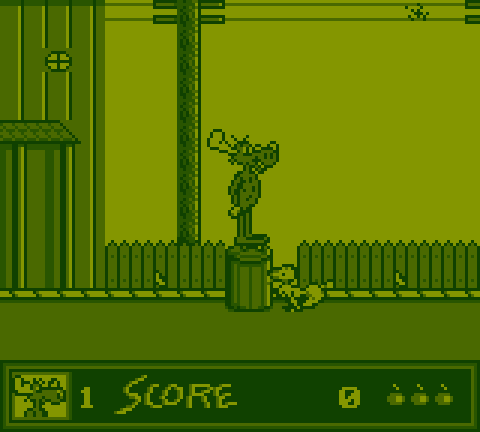
The Adventures of Rocky and Bullwinkle (Imagineering/THQ)
Oh boy, another Imagineering/THQ game. This one is as generic as the others, but it’s at least a basic level of competent. The music and graphics are perfectly functional. That said, it has very little to do with Rocky and Bullwinkle other than the characters technically being present. It also has moon physics. This is better than the slippery controls of Imagineering’s games this month, but still not great.
It got very poor reviews from some European outlets, but did not release in PAL. American critics were closer to 60% from what I can see, which feels about right. This is a decidedly mediocre and unambitious game. It does not deserve to be 13th worst on the system, which is where MobyGames has it. It also does not deserve the 92% score that Acao Games gave it.
Rating: 1

Hit the Ice (Taito)
A port of a 1990 arcade game. It’s a 2-on-2 hockey experience with silly players and overpowered charge shots. It isn’t particularly deep, but well-done graphics make it easy to tell what’s going on at all times. That alone puts it ahead of 90% of other Game Boy sports games. I’m writing this right after playing Tape to Tape, which is an incomparably better hockey game, but this is solid considering its time and system.
The Game Boy version did not get much attention from anyone. Two critics gave it a 60% and 72% in languages I can’t read. Beyond that, basically all coverage is for the console or arcade versions.
Rating: 2

The Jetsons: Robot Panic (Act Japan/Taito)
A platformer featuring the Jetsons. Each character gets a level and their own small twist on the mechanics. It doesn’t feel great to control, but the music is passable and it gets credit for not just being the same platformer as every other licensed game.
There are no English reviews that I can see, but scores were typically in the 50-60% range. GameFAQs and MobyGames each have one written user review giving an 7/10 and a 4/5 respectively. It’s notable for being the rare game to get a western release yet have no threads at all on GameFAQs. I think it’s safe to call it forgotten.
Rating: 1

Looney Toons (Sunsoft)
Although this looks like yet another licensed platformer, Sunsoft put more effort into theirs than most developers. This has a wide variety of playable characters with different gameplay styles and impressively smooth movement even when characters are at high speeds. It felt great to see some actual gameplay creativity after so many lazy platformers that all reused the same ideas. That said, the music is painfully basic and the controls feel imprecise. Most of the damage I took was from jumps going further than I thought they should have.
Critics loved it. Once you strip out a modern review from MobyGames’ list, it has an 80.5% average. I’ve seen very few anywhere near that high, so it would likely be in or near the top 50 games on the system with only contemporary reviews included. N-Force considered it one of the best Game Boy releases in recent memory and most of the others were in German.
Rating: 3

Miner 2049er (Eastridge/Mindscape)
Eastridge and Mindscape seem to have existed solely to port old games, and this is no exception. The original released in 1982 for Atari systems and was apparently a major success in terms of sales and influence on the rest of the industry. Wikipedia cites a claim from 1984 that it was the most played home-arcade title, but notes later that it was largely forgotten after Super Mario Bros. It has much improved graphics compared to the original game. I could not get the ramps to work for life of me, so I can’t offer much else in the way of opinion. I assume it’s either a setup issue or something I could figure out with the manual, because no other sources mention this problem.
The Game Boy version got minimal attention. Wikipedia cites the game’s original programmer saying that this version sold poorly, which may explain why MobyGames has no reviews for it. Wikipedia mentions that Nintendo Power was very unimpressed, but doesn’t quote from the review or provide a score. All I really have to go on are three GameFAQs user reviews from 2002-2011, which gave it a 2, a 4, and a 7. The first two felt it was too basic and didn’t represent the original game. The third, while giving it some credit, still only recommended buying it for less than $5. Not exactly a ringing endorsement.
Rating: 1


Leave a Reply